
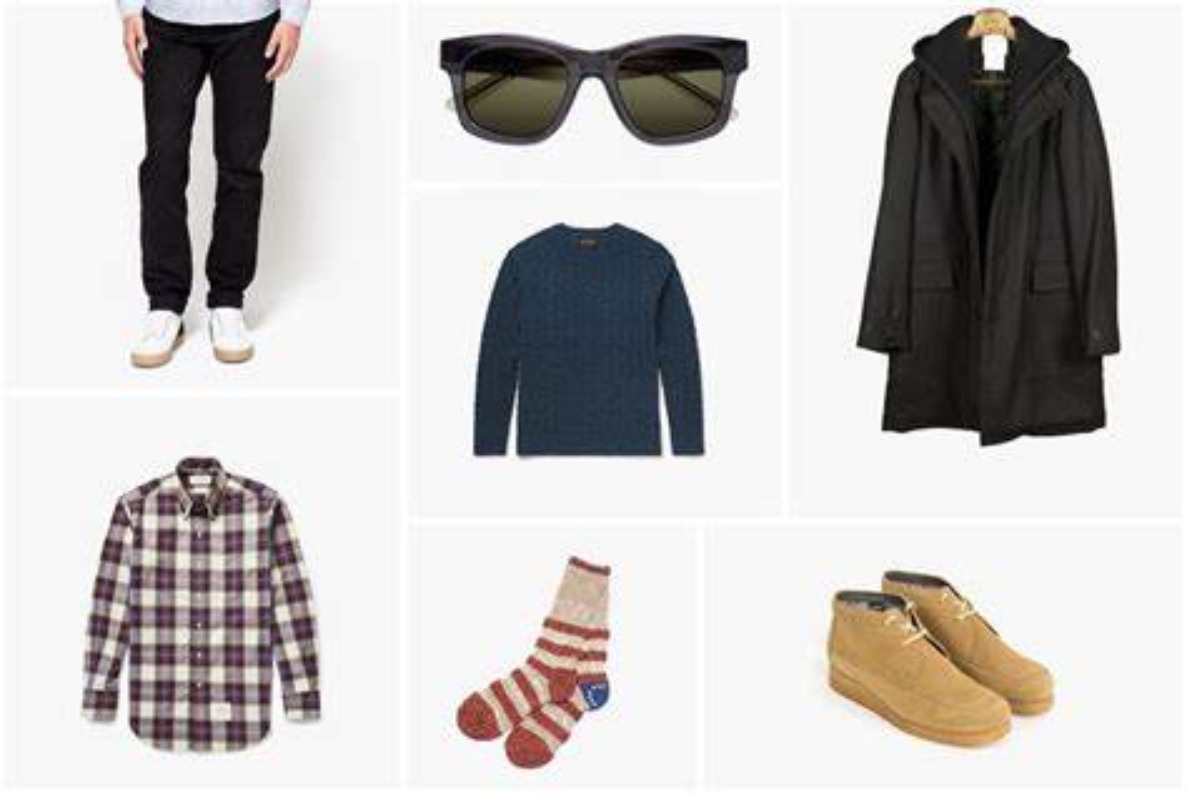
Accessories have the power to completely transform an outfit. Even the simplest clothing can look polished and stylish when paired with the right jewelry, bag, belt, or scarf. The key is choosing accessories that complement your outfit rather than overwhelm it.
Whether you’re dressing for a casual day out, a work meeting, or a formal event, the right accessories can add balance, personality, and visual interest to your look. In this guide, you’ll learn practical tips for choosing accessories that enhance your outfit, suit the occasion, and reflect your personal style.
Table of Contents
Quick Rules for Choosing Accessories
If you’re unsure where to start, keep these simple accessorizing rules in mind:
- Choose accessories that match the occasion.
• Balance bold clothing with subtle accessories.
• Use accessories to add color or contrast to neutral outfits.
• Avoid wearing too many statement pieces at the same time.
• Pick accessories that reflect your personal style.
These quick rules can help you create outfits that look balanced, intentional, and stylish.
Consider The Occasion
Just as you consider the occasion when choosing your outfit, you should also think about it when selecting accessories. For example, suppose you’re going to a formal event. In that case, more elegant accessories like the bags from www.judithleiber.com will work best, along with long earrings (also known as chandelier earrings) and a statement necklace Different events often call for different styling choices.
For example, formal occasions usually require more elegant accessories such as delicate jewelry, structured handbags, or chandelier earrings. On the other hand, casual outings allow more freedom to experiment with playful or bold accessories like layered necklaces, colorful scarves, or statement sunglasses.
Thinking about the occasion can help narrow down your options and make accessorizing feel much easier.
Understanding what is expected and what you should wear might feel as though you are being constrained, but it is actually a great thing if you’re feeling overwhelmed by the amount of choice accessorizing can give you. Narrow things down and stick to what the occasion demands and it will all be much easier.
Match To Your Outfit
Once you understand the occasion, the next step is choosing accessories that complement your outfit. The goal is to create a balanced look where every element works together.
It’s tempting to choose accessories simply because you like them, but they should also coordinate with the clothing you’re wearing. Accessories that clash with your outfit can make your look feel unbalanced or incomplete.
When selecting accessories, consider the colors, patterns, and overall style of your outfit to ensure everything works together harmoniously.
Some tips to ensure your accessories match your outfit include:
- Wear subdued accessories if your clothes have a bold pattern
- Wear colorful accessories if your outfit is one solid color (although make sure those colors work well together – they should be complementary and not clash or be exactly the same)
Use Color Balance When Accessorizing
Color coordination plays an important role in accessorizing. Accessories can either complement your outfit or provide a contrasting accent that adds visual interest.
Here are a few simple color coordination tips:
- If your outfit has bold patterns, choose more subtle accessories.
• If your outfit is a single solid color, colorful accessories can add contrast and personality.
• Neutral accessories like black, beige, or metallic tones often match a wide range of outfits.
By paying attention to color balance, you can create outfits that feel cohesive and stylish.
Keep It Simple
If you enjoy accessorizing, it can be tempting to wear multiple pieces at once. However, wearing too many accessories can distract from your outfit rather than enhance it.
A good rule of thumb is to let one or two accessories stand out while keeping the rest simple. For example, if you wear a bold statement necklace, consider pairing it with smaller earrings or skipping additional jewelry altogether.
Keeping your accessories simple helps create a balanced and polished look.
Think About Your Personality
It’s important to think about your outfit when you are accessorizing, but you also need to think about your personality because whatever you wear should always reflect that. There is no point in wearing something that you don’t like, or that gives a different view of you because you’ll lose confidence and be uncomfortable.
If you are extroverted, bright colors and large accessories will be great for you. If you are more introverted and don’t like to stand out, consider more muted tones and smaller accessories.
Choose Accessories That Reflect Your Personality
Accessories are a great way to express your personal style. While it’s important to match accessories with your outfit, they should also reflect who you are.
If you enjoy bold fashion choices, colorful accessories or statement jewelry might suit you well. If you prefer a more understated style, minimal jewelry and neutral accessories can create a clean and elegant look.
When your accessories reflect your personality, you will naturally feel more comfortable and confident in your outfit.
Common Accessorizing Mistakes to Avoid
While accessories can elevate an outfit, certain mistakes can make a look feel unbalanced. Being aware of these common issues can help you style outfits more effectively.
- Wearing too many statement accessories at once
• Choosing accessories that clash with outfit colors or patterns
• Ignoring the occasion when selecting accessories
• Wearing accessories that overpower the outfit
Keeping these mistakes in mind can help ensure your accessories enhance your overall style rather than distract from it.
Final Thoughts
Choosing the right accessories can elevate any outfit by adding personality, balance, and visual interest. By considering the occasion, matching accessories with your clothing, and keeping your styling balanced, you can create outfits that look intentional and stylish.
Accessories should complement your outfit rather than compete with it. With a thoughtful approach, even small details like jewelry, bags, or scarves can make a significant difference in how your outfit looks and feels.
Frequently Asked Questions
How many accessories should you wear at once?
There is no strict rule, but many stylists recommend wearing one or two statement accessories at a time. For example, if you choose bold earrings, keep other jewelry minimal. This helps maintain balance so your outfit looks polished rather than overcrowded.
Should your accessories match your outfit?
Accessories do not need to match your outfit exactly, but they should complement it. Coordinating colors, metals, and styles can help create a cohesive appearance. Neutral accessories are often the easiest way to match a variety of outfits.
Can accessories make a simple outfit look better?
Yes. Accessories can instantly elevate a simple outfit by adding texture, color, or visual interest. Items like statement necklaces, structured handbags, belts, or scarves can transform basic clothing into a more stylish look.
How do you choose accessories for formal events?
For formal occasions, choose elegant and refined accessories. Delicate jewelry, classic clutches, subtle metallic pieces, and sophisticated watches usually work well for formal settings. The goal is to enhance your outfit without overpowering it.
What are the most essential accessories everyone should own?
Some versatile accessories that work with many outfits include a classic watch, simple stud earrings, a neutral handbag, a stylish belt, and a pair of sunglasses. These pieces can easily complement both casual and formal looks.
